


Digital pianos have become an essential tool for both beginner and experienced pianists, offering a wide range of benefits that go beyond simply producing sound. One of the most significant features of modern digital pianos is their ability to simulate realistic hammer action, which plays a crucial role in enhancing playing technique. Hammer action refers to the mechanical mechanism inside an acoustic piano that mimics the way the keys are struck by hammers, producing a natural resistance and a responsive touch. Digital pianos equipped with hammer action technology aim to replicate this experience as closely as possible, providing a more authentic and dynamic playing experience. The key to a realistic playing experience on a digital piano lies in its touch sensitivity, which is directly linked to the hammer action mechanism. In traditional acoustic pianos, the hammers strike the strings with varying force depending on how hard or soft a key is pressed. This allows pianists to create a wide range of tonal nuances and dynamics, from the softest pianissimo to the loudest fortissimo.
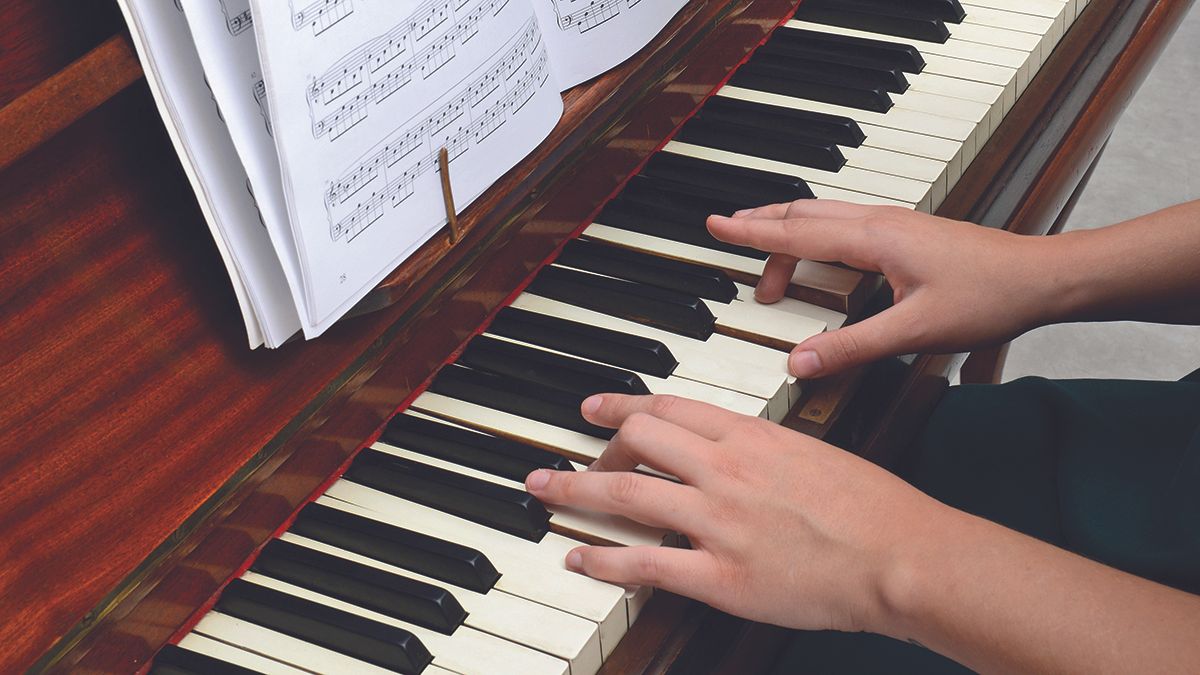
Digital pianos equipped with advanced hammer action systems replicate this behavior by using weighted keys that respond to the player’s touch with different levels of resistance. This simulation of the weight and resistance found in an acoustic piano helps players develop proper finger strength and technique. The benefit of hammer action in digital pianos goes beyond mere simulation. It allows pianists to develop a more refined sense of control over the keyboard, which is essential for executing advanced techniques such as staccato, legato, and expressive phrasing. When the keys offer a realistic feel, players are able to express their emotions and musical intentions more effectively, as the piano responds in a way that feels natural and intuitive. This is particularly important for musicians who wish to transition between digital and acoustic pianos, as it ensures that their technique is not compromised by a lack of familiarity with different touch sensitivities. Another advantage of hammer action in digital pianos is its adaptability to various playing styles.
Classical pianists, for example, benefit from the precise touch and dynamic control offered by hammer action, which allows them to replicate the nuances of famous compositions. Moreover, digital pianos with realistic hammer action often feature advanced sampling technology that captures the sound of an acoustic piano in a highly detailed manner. This combination of realistic key action and authentic sound makes digital pianos a powerful tool for developing both technical skill and musical expression. The versatility of digital pianos also provides the convenience of volume control, headphone use, and the ability to practice silently, which is especially useful for home practice or in situations where noise levels must be minimized. In conclusion, the realistic hammer action found in digital pianos is a game-changer for pianists looking to improve their playing technique. By providing a touch and feel similar to that of an acoustic piano, it helps musicians develop the strength, control, and nuance needed for precise playing.